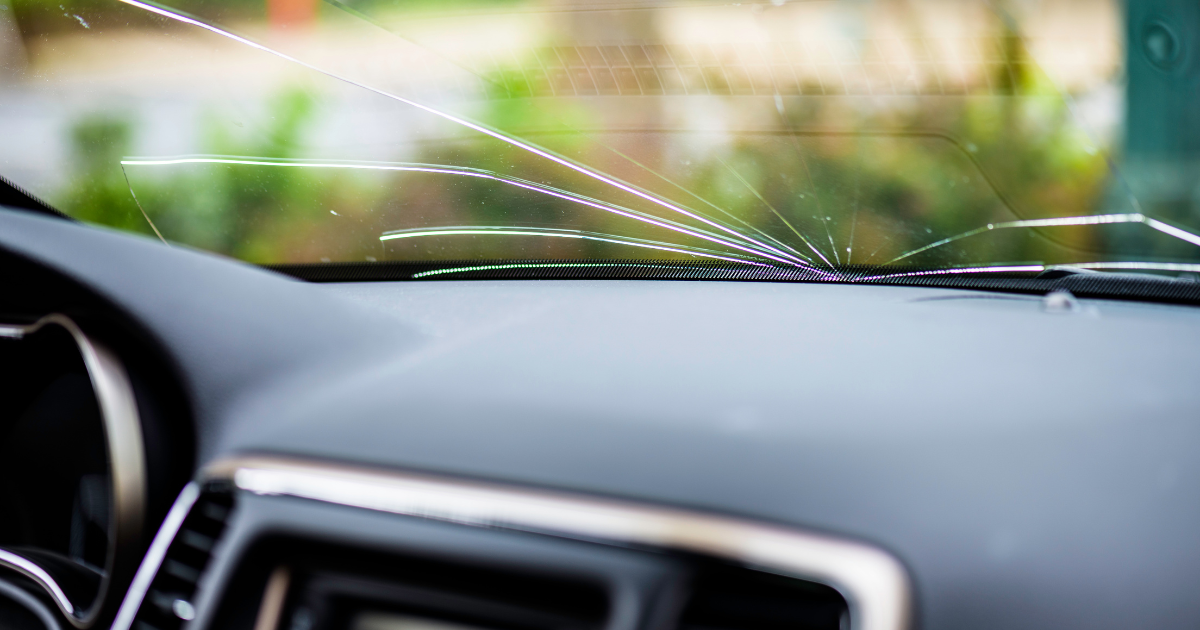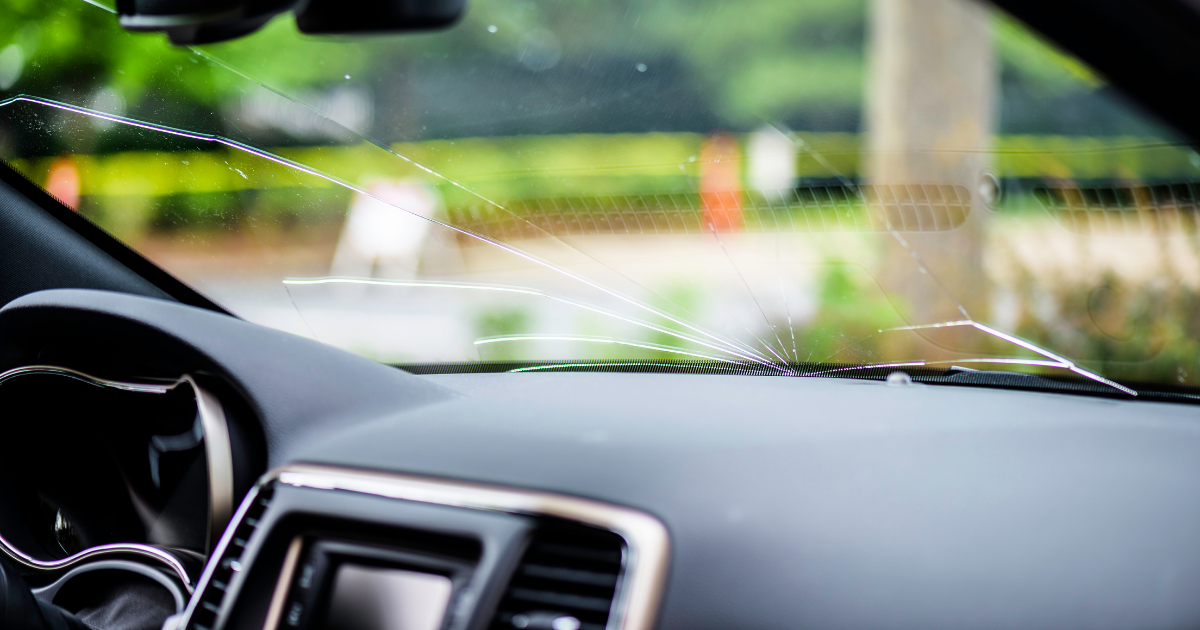

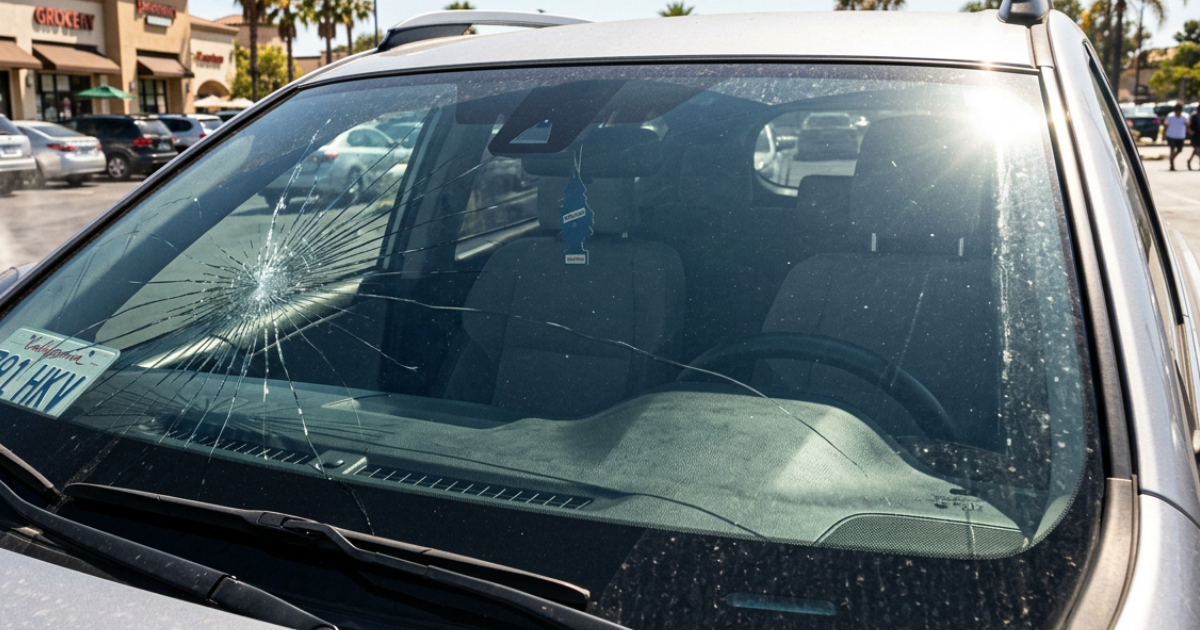
Yes, heat can crack a windshield. Extreme temperatures and rapid temperature changes put stress on glass that already has chips or weak points. Drivers in warm climates like Florida, Georgia, and North Carolina need to know the signs and act fast before summer heat turns a small chip into a full crack.
Your Windshield and Summer Heat Are Not Always Friends
Most drivers think of windshield damage as a cold weather problem. Frozen glass, ice scrapers, and winter road salt all get attention. But summer brings its own set of threats, and heat is one of them.
Parking lots in Florida, Georgia, and North Carolina regularly reach 150 degrees Fahrenheit on the dashboard surface during peak summer months. That kind of heat stress can do real damage to your windshield, especially if it already has a chip, scratch, or existing weak point.
Understanding how heat affects glass helps you protect your vehicle and act quickly when damage appears.
How Heat Causes Windshield Cracks
Windshield glass expands when it heats up and contracts when it cools down. This is normal physics. The problem occurs when different parts of the glass heat or cool at different rates.
The center of your windshield is exposed to direct sunlight. The edges are tucked under the vehicle frame and the seal, so they stay cooler. When the center expands faster than the edges, the glass experiences what is called thermal stress.
If your windshield is already perfect, it can handle this stress. But if there is an existing chip, micro-crack, or weak point in the glass, the thermal stress concentrates at that point. The result is a crack that can spread across the entire windshield within hours.
The Most Common Summer Windshield Scenarios
The parking lot crack. Your car sits in a hot parking lot all day. The glass heats unevenly. A chip you had been ignoring becomes a six-inch crack by the time you return.
The air conditioning shock. You get into a hot car and blast the air conditioning. Cold air hits the hot windshield glass directly. This rapid temperature drop creates an extreme stress differential. Combined with any existing damage, this can cause an immediate crack.
UV surface degradation. Prolonged UV exposure does not cause instant cracks, but it weakens the surface of windshield glass over time. Old or pitted windshields are more vulnerable to both thermal cracking and impact chips in summer.
Hail damage. Summer storms in the South and Northeast bring hail. Hail impact creates bullseye chips that are prime candidates for heat-driven crack spreading during the days after a storm.
Warning Signs Your Windshield Is at Risk This Summer
Watch for these signals that your windshield is vulnerable to summer heat damage.
- An existing chip you have not had repaired. Any chip is a potential starting point for a heat crack.
- A crack at the edge of the windshield. Edge cracks expand faster under thermal stress than center cracks.
- Pitting or haziness on the glass surface. This indicates UV degradation and reduced glass strength.
- A crack that has grown since you first noticed it. Growth is a sign the glass is under active thermal stress.
How to Protect Your Windshield From Summer Heat Damage
You cannot control the weather, but you can reduce your windshield’s exposure to thermal stress.
Park in shade whenever possible. Reducing direct sun exposure lowers the surface temperature of the glass significantly.
Use a windshield sunshade. A reflective sunshade keeps the interior cooler and reduces thermal stress on the glass by blocking direct UV.
Ease into air conditioning. When you get into a hot car, start the AC on low and let the cabin cool gradually. Blasting cold air directly at hot glass increases the risk of thermal shock cracking.
Repair chips immediately. A chip repaired quickly costs around 30 minutes of your time and little to no out-of-pocket cost with insurance. A chip that becomes a full crack costs a full replacement.
Avoid parking on asphalt surfaces in direct sun. Dark asphalt reflects additional heat upward and accelerates glass surface temperature.
Can a Heat Crack Be Repaired?
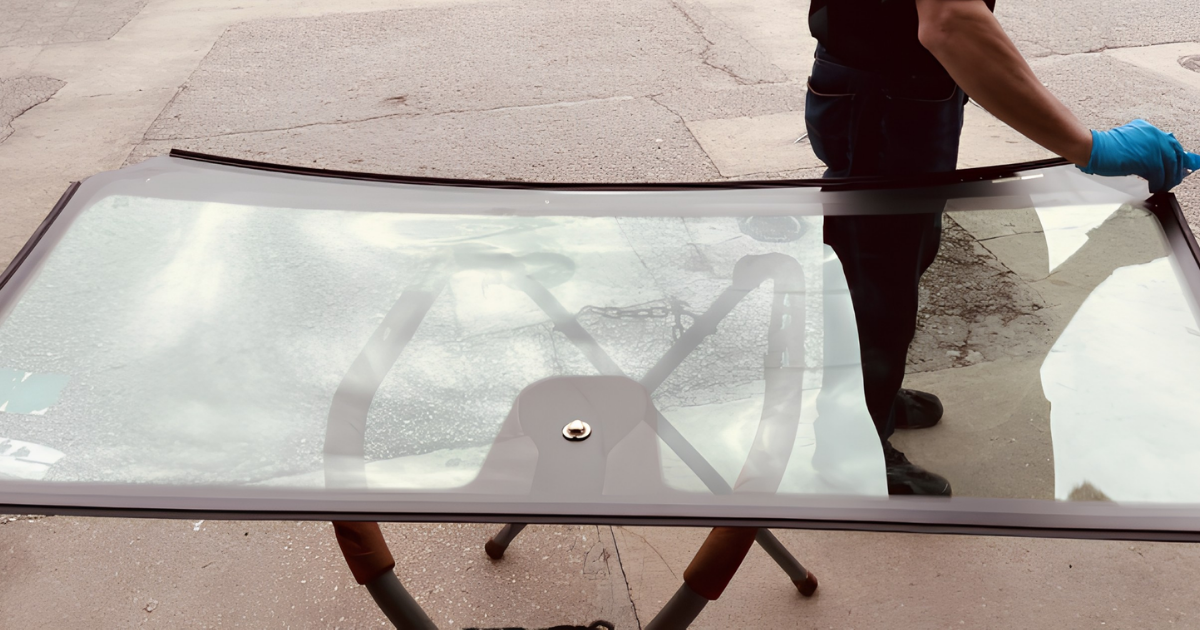
It depends on the size and location. If the crack is longer than six inches, spans to the edge of the windshield, or passes through the driver’s primary line of vision, it cannot be repaired. A full replacement is required.
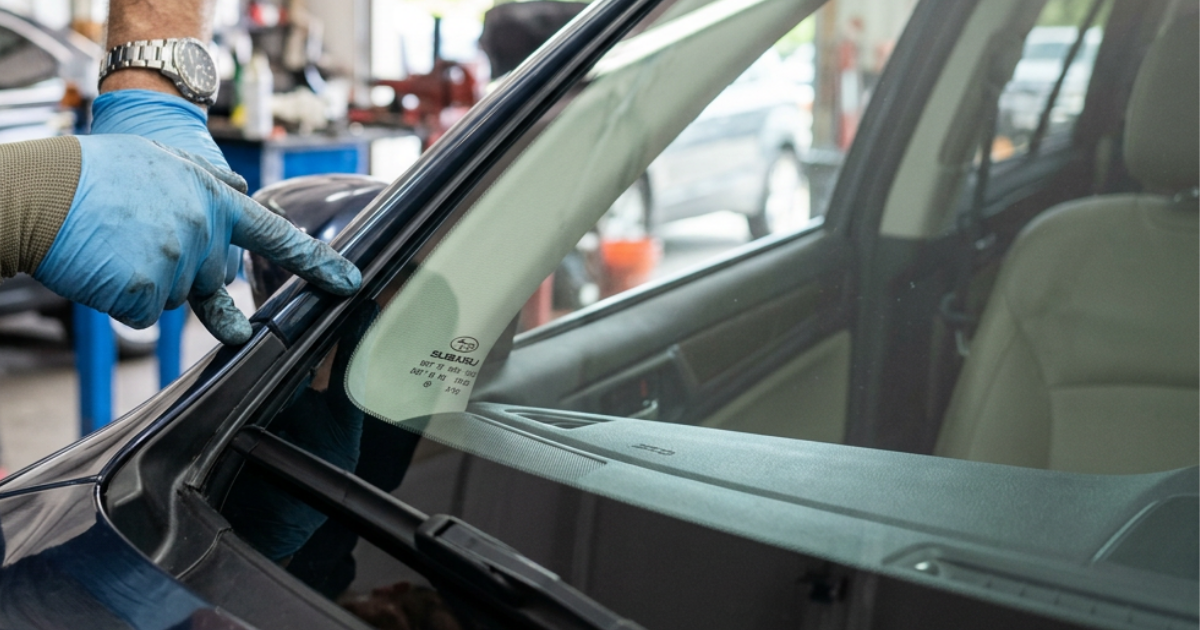
If the crack is shorter and in a non-critical location, a technician can assess whether repair resin can stabilize it. Early action gives you the best chance of a repair rather than a replacement.
Call Arrow Auto Glass at 866-975-4527 as soon as you notice a new crack. The sooner you call, the more options you have.
What to Do When Heat Cracks Your Windshield
- Do not try to cool the glass rapidly. Avoid pouring water on it or blasting AC directly at the crack.
- Move the vehicle out of direct sunlight if possible.
- Do not drive long distances with an active crack. Heat from driving speeds crack expansion.
- Call Arrow Auto Glass at 866-975-4527 or schedule at arrowautoglass.com.
- Check your comprehensive insurance coverage. Heat damage is typically covered.
Summer Heat Is Harder on Your Windshield Than You Think
A chip you ignore in spring can become a replacement-sized crack by July. Drivers in Arrow’s southern and mid-Atlantic markets need to take windshield condition seriously as temperatures climb.
Arrow Auto Glass provides mobile chip repair and windshield replacement across Florida, Georgia, North Carolina, Virginia, and the full Northeast. Call 866-975-4527 or visit arrowautoglass.com to get ahead of summer damage today.
Quick Answers
Q: Can heat alone crack a windshield?
A: Heat alone rarely cracks a perfect windshield. But thermal stress from uneven heating can cause an existing chip or weak point to crack very quickly.
Q: Is blasting AC in a hot car bad for the windshield?
A: Yes. Directing cold air at a very hot windshield creates a rapid temperature change that concentrates stress at any existing damage. Cool the cabin gradually to reduce this risk.
Q: Can a heat crack be repaired or does it need replacement?
A: Cracks longer than six inches, edge cracks, or cracks in the driver’s sightline require full replacement. Smaller cracks may be stabilizable. Contact Arrow Auto Glass to assess your situation.
Q: Does insurance cover windshield damage from heat?
A: Yes. Heat-related windshield damage is typically covered under comprehensive auto insurance.
Q: What is the fastest way to prevent heat cracking?
A: Repair any existing chips immediately. They are the primary entry point for heat-driven crack spreading.
Key Takeaways
- Heat does not typically crack a perfect windshield but rapidly expands existing chips and weak points.
- Uneven thermal expansion between the center and edges of the glass is the main cause of summer cracks.
- Blasting cold AC into a hot car dramatically increases crack risk on already-damaged glass.
- Use a sunshade, park in shade, and repair chips immediately to reduce summer windshield risk.
- Drivers in FL, GA, NC, VA, and the Northeast are especially vulnerable during peak summer months.
- Heat-related windshield damage is covered by comprehensive insurance.
- Call Arrow Auto Glass at 866-975-4527 to assess damage before summer heat makes it worse.