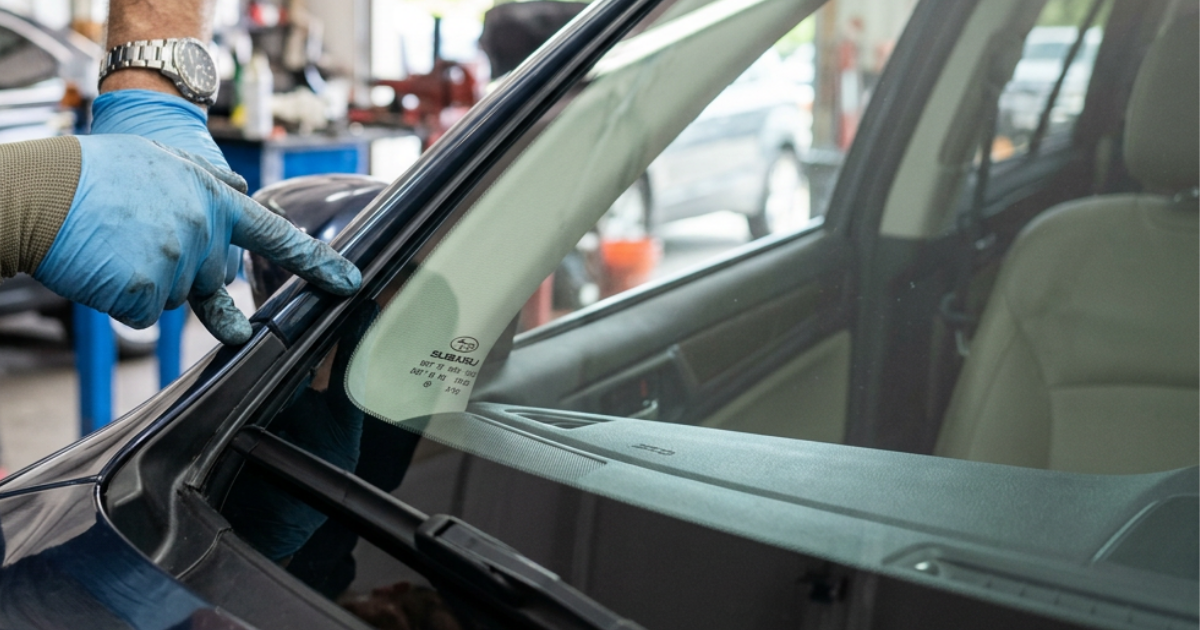


Most windshield damage comes from a handful of avoidable situations. Driving habits, parking choices, and basic maintenance decisions determine how often your windshield gets damaged. Arrow Auto Glass shares the practical steps that keep your glass intact longer.
Prevention Is Always Cheaper Than Replacement
A windshield replacement typically costs $200 to $500 or more depending on your vehicle. With ADAS calibration, that number goes higher. Even with comprehensive insurance covering most of the cost, you still lose time and deal with the inconvenience of scheduling service.
The habits that protect your windshield from damage cost nothing. Most of them take no extra time at all. A few small changes in how you drive, park, and maintain your vehicle can add years to the life of your windshield and save you from repeated replacement cycles.
Behind the Wheel: Driving Habits That Reduce Chip Risk
The majority of windshield chips come from road debris kicked up by vehicles in front of you. The physics are straightforward: the closer you follow a vehicle, the faster and harder debris hits your windshield.
Increase your following distance. At 65 miles per hour, a rock can travel from the tires of the vehicle ahead to your windshield in under a second. Increasing your following distance to three or four seconds gives debris more time to slow down and drop before it reaches your glass.
Pass trucks and construction vehicles quickly. Large trucks, gravel haulers, and construction equipment carry the most debris risk. Do not linger beside or behind them. Pass efficiently and create distance.
Slow down on gravel and chip seal roads. Loose gravel and chip seal surfaces are the highest-risk road conditions for windshield chips. Reduce speed significantly on these surfaces. If you are behind another vehicle, create extra distance.
Avoid following street sweepers. Street sweepers kick up concentrated debris across the full lane. Following behind one at normal highway distance is a reliable way to collect chips.
Watch for highway construction zones. Construction zones combine loose material, reduced speed differentials, and congestion that keeps you near equipment longer than normal. Be especially cautious in these areas.
Where You Park: Choices That Protect Your Glass
Parking decisions have more impact on windshield life than most drivers realize.
Park in a garage when available. A garage protects your windshield from hail, falling branches, temperature extremes, vandalism, and general weather exposure. If you have access to covered parking, use it consistently.
Use a windshield sunshade in summer. A reflective sunshade reduces the interior cabin temperature and limits direct UV exposure on the glass surface. This reduces thermal stress, especially on windshields that already have small chips.
Avoid parking under trees. Falling branches, sap, and debris from trees are a consistent source of windshield damage, particularly during storms. Sap and bird droppings left on glass can also create micro-etching that weakens the surface over time.
Choose parking lot spots carefully. Spots near cart corrals and main traffic lanes in shopping center lots are more exposed to runaway carts, vehicles with poor turning angles, and pedestrian traffic.
Maintenance Habits That Extend Windshield Life
How you maintain your vehicle directly affects how long your windshield stays intact.
Replace windshield wiper blades regularly. Worn wiper blades drag on the glass surface. The metal or hard plastic components of a deteriorating blade can scratch or pit the glass over time. Replace blades every six to twelve months or when you notice streaking, skipping, or noise.
Clean your windshield properly. Use automotive glass cleaner and a clean microfiber cloth. Abrasive household cleaners and rough towels can create micro-scratches that weaken the surface over time.
Repair chips immediately. This is the single most important thing you can do. A chip is a sealed crack waiting to happen. Chip repair takes 30 minutes, costs little or nothing with insurance, and eliminates the chip as a spreading risk.
Keep your washer fluid reservoir full. Spraying a dry or dirty windshield with activated wipers without fluid drags grit across the surface. Always ensure your washer fluid reservoir is filled, especially in winter months when salt and road spray accumulate on the glass.
Seasonal Windshield Protection Tips
Winter: Never pour hot water on a frozen windshield. The rapid temperature change creates the same thermal shock that causes heat cracks in summer. Use a commercial de-icer spray and a proper ice scraper with a soft blade.
Summer: Act on chips before temperatures peak. Summer heat is the fastest way to turn a repairable chip into a crack that requires replacement.
Spring and fall: Inspect your windshield after the first major storm of each season. Hail, debris, and wind events often cause small chips that are easy to miss until they start spreading.
Small Habits, Big Savings
Your windshield does not have to need replacing as often as it does. Following distance, parking choices, blade maintenance, and prompt chip repair are the four habits that make the biggest difference.
When chips happen anyway, Arrow Auto Glass is ready. Mobile chip repair is available at your home or workplace across the Northeast and Southeast.
Call 866-975-4527 or schedule at arrowautoglass.com before that chip becomes a replacement.
Quick Answers
Q: What is the most effective way to prevent windshield chips?
A: Increase your following distance, especially behind trucks, gravel haulers, and vehicles on loose road surfaces. Most chips come from debris kicked up by vehicles directly ahead.
Q: Should I repair a chip immediately or wait to see if it spreads?
A: Repair it immediately. A chip costs little or nothing with insurance and takes 30 minutes. Waiting risks a spreading crack that requires full replacement.
Q: Can parking habits really affect windshield life?
A: Yes. Parking in shade reduces thermal stress. Avoiding trees eliminates falling debris risk. Using a garage protects against hail, vandalism, and temperature extremes.
Q: Do wiper blades damage windshields?
A: Worn wiper blades can scratch and pit the glass over time. Replace blades every six to twelve months to protect the glass surface.
Q: Is it safe to pour hot water on a frozen windshield?
A: No. The rapid temperature change creates thermal shock that can crack a windshield, especially one with an existing chip. Use de-icer spray and a proper scraper instead.
Key Takeaways
- Increasing following distance is the single most effective habit for avoiding windshield chips.
- Slow down on gravel roads and avoid lingering behind large trucks and construction vehicles.
- Parking in shade, using a sunshade, and avoiding tree parking reduces thermal and impact damage.
- Replace wiper blades every six to twelve months to prevent surface scratching.
- Repair chips immediately. Waiting always increases the risk and potential cost.
- Never pour hot water on a frozen windshield. Use de-icer spray and a soft-blade ice scraper.
- Clean glass with automotive glass cleaner and microfiber cloths to prevent surface degradation.