
A cracked windshield does not stay the same. It gets worse. Ignoring it risks your safety, increases your repair costs, exposes you to legal consequences, and can complicate your insurance coverage. Arrow Auto Glass explains exactly what is at stake and why acting now costs you far less than waiting.
The Crack You Are Ignoring Is Working Against You
A small crack in the corner of your windshield is easy to put off. You can still see fine. You are busy. It does not seem urgent.
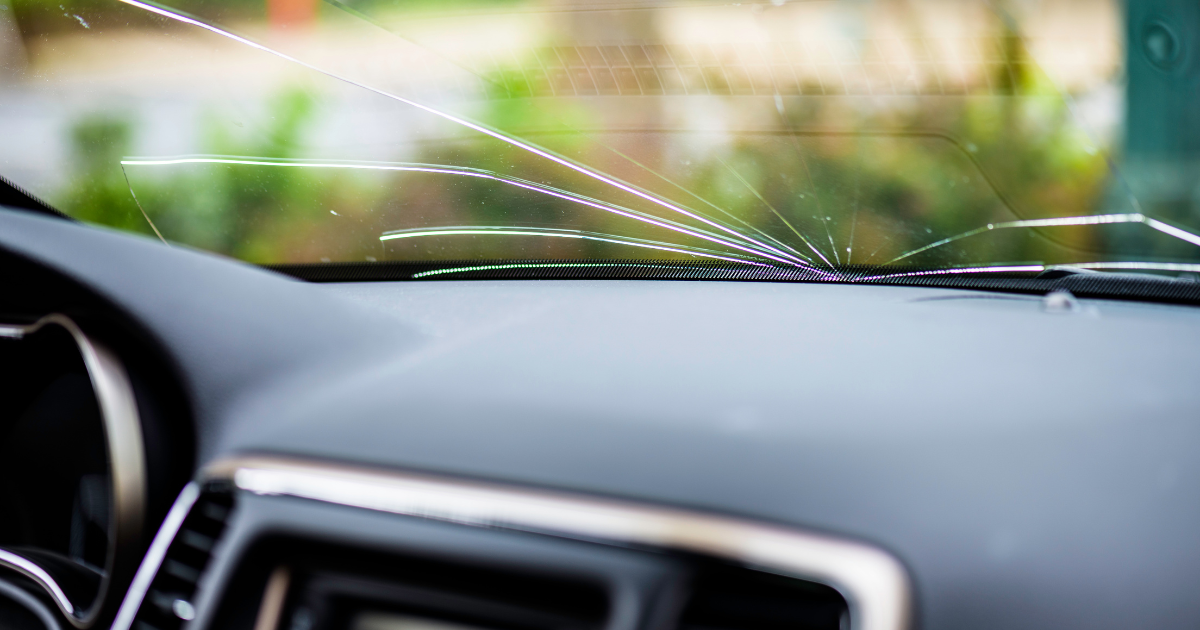
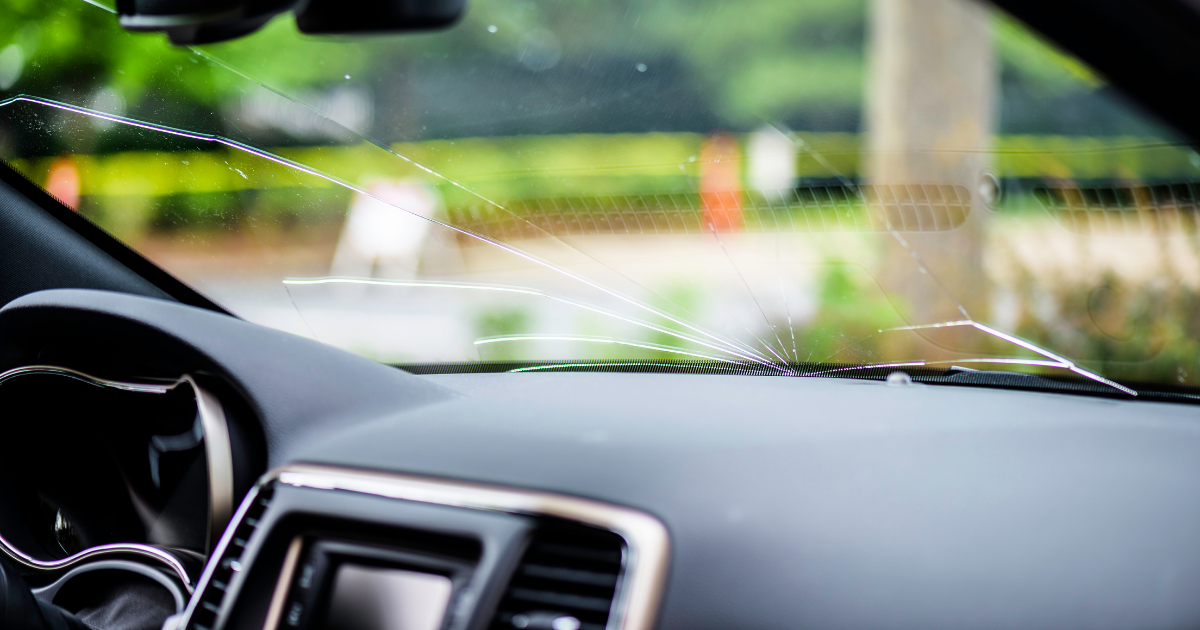
But that crack is not staying still. Every mile you drive, every temperature change, every car wash, and every pothole is putting stress on that glass. The crack is spreading. You just may not notice it yet.
By the time most drivers decide to act, a crack that could have been repaired for free through insurance has become a full replacement situation. And the costs do not stop there.
Here is exactly what happens when a cracked windshield gets ignored.
The Crack Will Spread. It Is Only a Matter of When.
Windshield glass is under constant stress during normal driving. Vibration from the road, pressure from the wind at highway speed, and flex in the vehicle frame all work on the glass continuously.
A crack is a structural break in that glass. Any stress applied to the windshield concentrates at the crack ends and pushes outward. This is basic physics, and it works against you every time you drive.
Temperature changes accelerate this process dramatically. Heat causes glass to expand. Cold causes it to contract. When the glass cannot flex as freely because of a crack, that expansion and contraction forces the crack to grow.
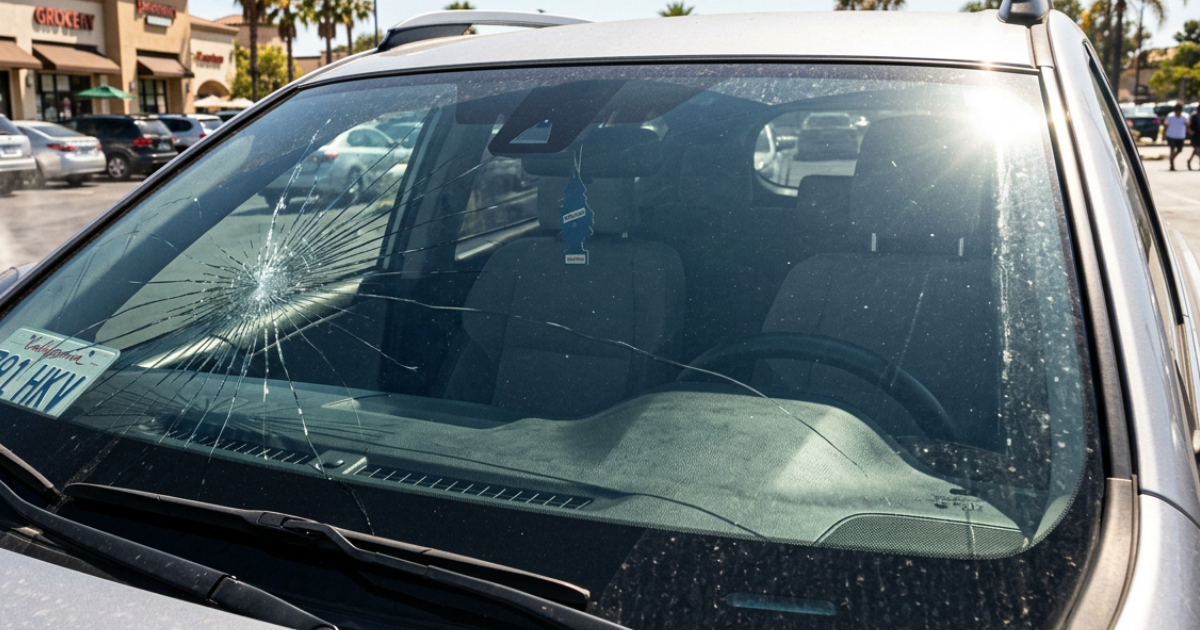
A chip the size of a quarter can become a crack that spans the full width of your windshield within days during summer heat or winter cold. Once that happens, repair is no longer an option.
Your Windshield Is a Safety System, Not Just a Window
This is the fact most drivers do not fully consider. Your windshield is not decorative glass. It is a structural component of your vehicle’s safety system.
Roof support. In a rollover accident, the windshield provides up to 60 percent of the structural support that keeps the roof from collapsing. A cracked windshield is significantly weaker than an intact one. If the roof comes down in a rollover, the windshield fails first.
Airbag deployment. In many vehicles, the passenger-side airbag deploys upward and uses the windshield as a backstop to redirect toward the occupant. A cracked windshield may not hold during this impact and can fail to guide the airbag correctly.
Ejection prevention. Windshields serve as a barrier that helps keep occupants inside the vehicle during a collision. A compromised windshield provides less resistance and increases ejection risk.
Driving with a cracked windshield is not just a visibility problem. It is a structural safety risk that affects you in the moments you need your vehicle to protect you most.
The Legal and Financial Consequences Are Real
Traffic Violations and Fines
Most states have laws that prohibit driving with a windshield that obstructs the driver’s vision. A crack in the driver’s primary sightline is enough to receive a traffic citation in most jurisdictions.
Fines vary by state, but a fix-it ticket adds both a fine and the cost of repair. You pay more than if you had just scheduled the service to begin with.
Failed Vehicle Inspection
In states that require annual vehicle safety inspections, a cracked windshield is a common reason for inspection failure. You cannot legally operate a vehicle that has failed inspection, which creates additional complications for daily use.
Insurance Complications
If you are involved in a collision with a cracked windshield, your insurer may dispute the extent of the damage. Proving which damage existed before the accident and which was caused by the collision becomes difficult. In some cases, insurers reduce payouts or reject claims when pre-existing damage was not reported.
The Cost Gap Between Repair and Replacement
Here is the financial reality.
A windshield chip repair typically takes 30 minutes and in most cases costs you nothing with comprehensive insurance. Even without insurance, chip repairs run $75 to $125 at most providers.
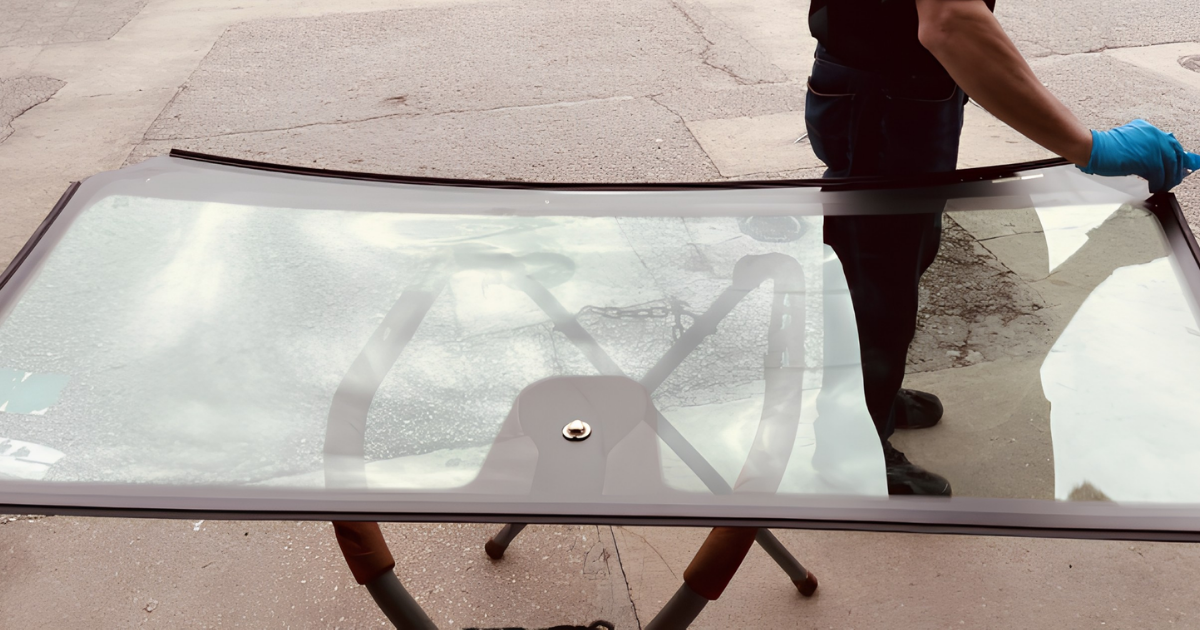
A full windshield replacement typically costs $200 to $500 or more depending on your vehicle. If your vehicle has an ADAS camera, recalibration adds to that cost. While insurance covers replacement in most cases, your deductible applies. If you live outside a zero-deductible state, you pay that out of pocket.
The difference between acting on a chip and ignoring it until replacement becomes necessary can be several hundred dollars from your pocket even with coverage.
Do Not Wait for the Next Problem to Force Your Hand
A cracked windshield rarely gets better on its own. It gets worse, it gets more expensive, and it gets more dangerous. Every day you wait is a day the damage works against you.
Arrow Auto Glass provides mobile chip repair and windshield replacement across the Northeast and Southeast. Appointments are available the same day or next day in most service areas.
Call 866-975-4527 or visit arrowautoglass.com to schedule before that crack makes the decision for you.
Quick Answers
Q: Will a small windshield crack get worse if I leave it?
A: Yes. Heat, cold, vibration, and road stress cause cracks to spread. A chip that qualifies for repair today can become a full crack requiring replacement within days.
Q: Is it illegal to drive with a cracked windshield?
A: In most states, driving with a crack that obstructs the driver’s sightline is a violation. A crack in the driver’s primary viewing area is enough for a citation in many jurisdictions.
Q: How does a cracked windshield affect safety in an accident?
A: A cracked windshield provides less roof support in a rollover, may interfere with passenger airbag deployment, and reduces ejection protection for occupants.
Q: Can I fail a vehicle inspection for a cracked windshield?
A: Yes. In states with mandatory vehicle safety inspections, a cracked windshield is a common cause of inspection failure.
Q: Will ignoring a crack affect my insurance claim after an accident?
A: Possibly. Pre-existing damage can complicate claims and in some cases reduce payouts if the insurer disputes what damage was caused by the accident versus what existed before it.
Key Takeaways
- Cracks spread over time from heat, cold, vibration, and road pressure. They do not self-heal.
- The windshield supports up to 60 percent of roof structure in a rollover. A crack weakens this significantly.
- A cracked windshield can interfere with airbag deployment and increase ejection risk.
- Most states allow citations for windshield cracks that obstruct the driver’s vision.
- A cracked windshield can cause vehicle inspection failure and prevent legal vehicle operation.
- Pre-existing damage can complicate insurance claims following an accident.
- Acting on a chip now is free with insurance. Waiting until it requires replacement costs you more.