
TL,DR: Whether you need a repair or a full replacement depends on the size, location, and depth of the damage. A repair costs far less, but only works within specific limits. Arrow will tell you honestly which one applies to your situation.
The Damage Is There. Now What?
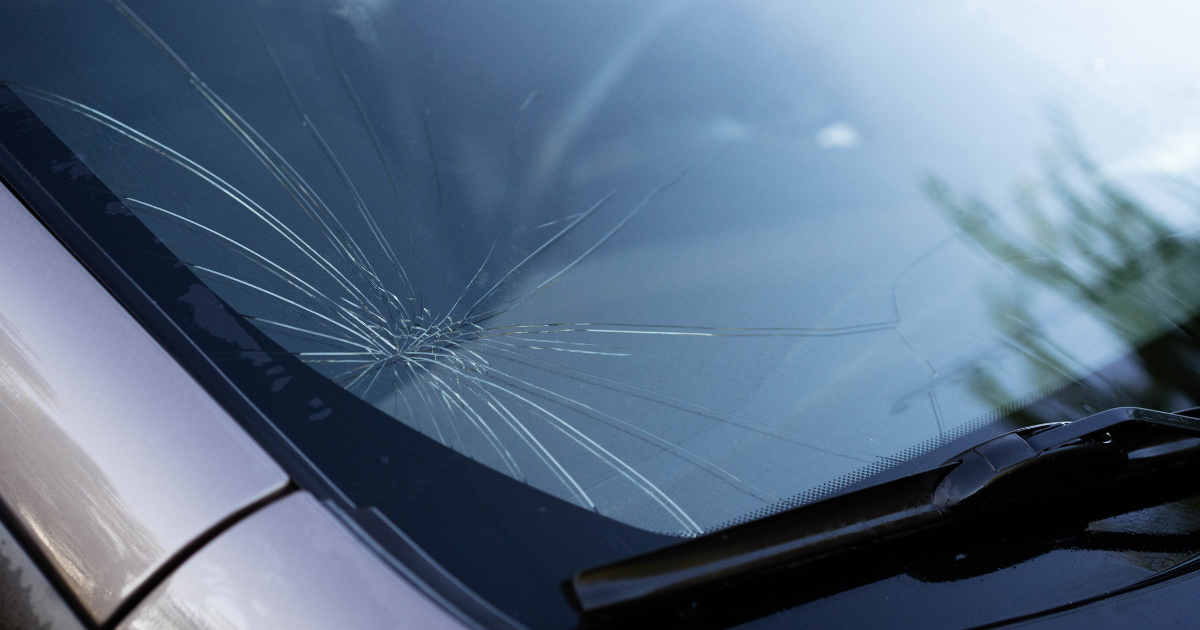
You spotted a chip or crack on your windshield. Before you call anyone, you want to know: is this a small fix or a major expense?
The answer comes down to a few specific factors. Most drivers do not know what those factors are, which means they either overpay for a replacement they did not need or delay a repair until it becomes one.
This post gives you the information to make the right call.
What Makes Damage Repairable
A chip or crack can usually be repaired when all of the following are true.
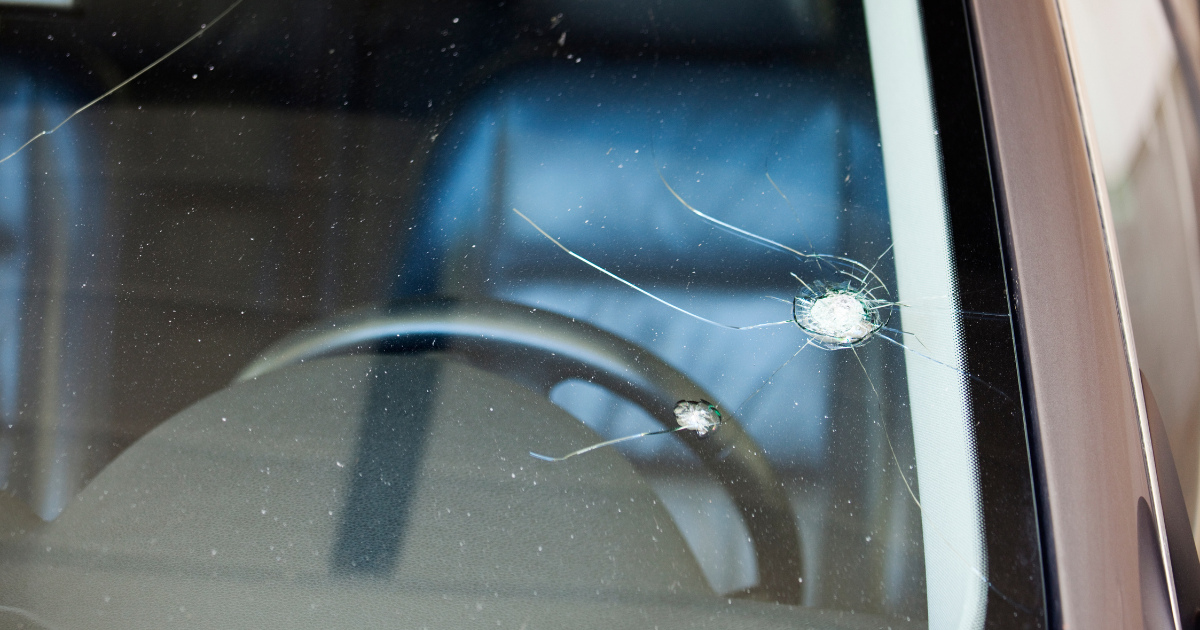
The damage is smaller than a quarter. Repair works by filling the damaged area with a specialized resin. That process has physical limits. Damage that fits under a U.S. quarter is within the range where repair is possible.
Only the outer glass layer is affected. A windshield has two glass layers with a plastic interlayer between them. Repair is only possible when the damage has not penetrated through to the inner layer.
The damage is not in the driver’s direct line of sight. A successful repair leaves a small optical mark. In the driver’s primary viewing zone, even a minor distortion is a safety concern.
The crack has not reached the edge of the windshield. Edge damage compromises the seal between the glass and the frame. Once a crack reaches the edge, the structural integrity is affected and repair will not hold.
The damage is recent. Dirt and moisture work into cracks over time. Fresh damage repairs better than old damage. The sooner it is addressed, the better the outcome.
What Requires a Full Replacement
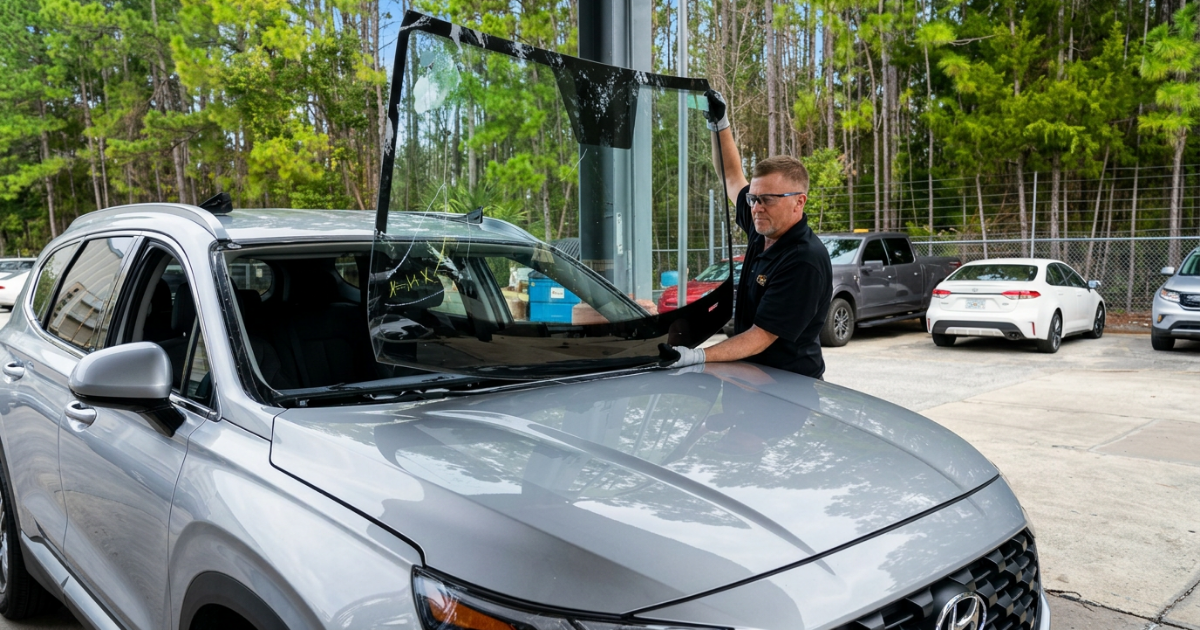
Some damage is outside the range where repair is safe or effective. Replacement is required when any of the following apply.
The crack is longer than six inches. Cracks longer than six inches become difficult to repair and you may still see the crack. Replacement is the only appropriate option.
The damage is in the driver’s direct line of sight. Even if the crack is technically small enough to repair, a mark in the primary viewing zone can cause glare and visual distraction. Most safety standards have stricter criteria for repairs in this zone.
The crack runs to the edge of the windshield. Edge cracks compromise the structural bond between the glass and the vehicle frame. Repair does not address that.
Multiple chips or cracks are present. A windshield with several damage points needs to be assessed as a whole. The cumulative effect on structural integrity often makes replacement the practical and safer answer.
The inner glass layer is damaged. If you can feel the crack from inside the vehicle, the damage has gone through both layers. Repair is not an option at that point.
The Honest Business Reason This Matters
Replacement costs more than repair. A shop that does not prioritize your interests will push toward replacement on damage that qualifies for repair.
Arrow takes the opposite approach. If your damage qualifies for repair, that is what we recommend. A repair that solves your problem builds the kind of trust that brings customers back and leads to referrals.
That approach has supported Arrow’s growth across the eastern and central United States for over 15 years.
What Each Option Typically Costs
Repair generally runs $75 to $150. Replacement ranges from $200 to $900 and up, depending on your vehicle and whether ADAS recalibration is required.
If you have comprehensive auto insurance, both services may be covered. Arrow will check your coverage before recommending anything.
Act Before the Damage Grows
Small chips do not stay small on their own. Temperature changes cause glass to expand and contract. A chip that qualifies for a $75 repair today can become a 12-inch crack in a matter of days.
The repair window closes fast. Acting sooner saves money and avoids a more involved job.
Not Sure? Let Arrow Assess It
Send a photo to Arrow or call 866-975-4527. The team will tell you honestly whether repair or replacement is the right answer for your specific damage.
There is no pressure and no obligation. You get a clear recommendation before you commit.
Quick Answers
How do I know if my chip can be repaired? If the damage fits under a quarter, has not reached the edge, is not in the driver’s line of sight, and only affects the outer glass layer, it likely qualifies for repair. Arrow can confirm with a quick assessment.
Is a repaired windshield as strong as a replaced one? A professional repair restores structural integrity and stops the crack from spreading. It leaves a small visual mark. For damage in the driver’s line of sight, replacement is typically the better choice for clarity.
How much does repair cost compared to replacement? Repair typically costs $75 to $150. Replacement ranges from $200 to $900 and up. Insurance often covers both. Arrow will check your coverage before recommending either option.
Can a long crack be repaired? No. Cracks longer than approximately six inches cannot be adequately filled with resin. A crack that length requires a full replacement.
Does Arrow recommend repair even though replacement costs more? Yes. Arrow recommends what the damage actually requires. If repair is the right answer, that is what you will hear.
Ready for an Honest Assessment?
Call 866-975-4527 or visit arrowautoglass.com. Arrow will review your damage and give you a straight answer with no pressure.
Key Takeaways
- Damage smaller than a quarter that has not reached the edge may qualify for repair
- Cracks longer than six inches require full replacement
- Damage in the driver’s line of sight requires replacement even if the crack is small
- Edge cracks always require replacement
- Acting quickly protects the repair option before the damage spreads
- Arrow recommends repair when it genuinely applies, not just when it is most convenient
- Both repair and replacement are often covered by comprehensive auto insurance