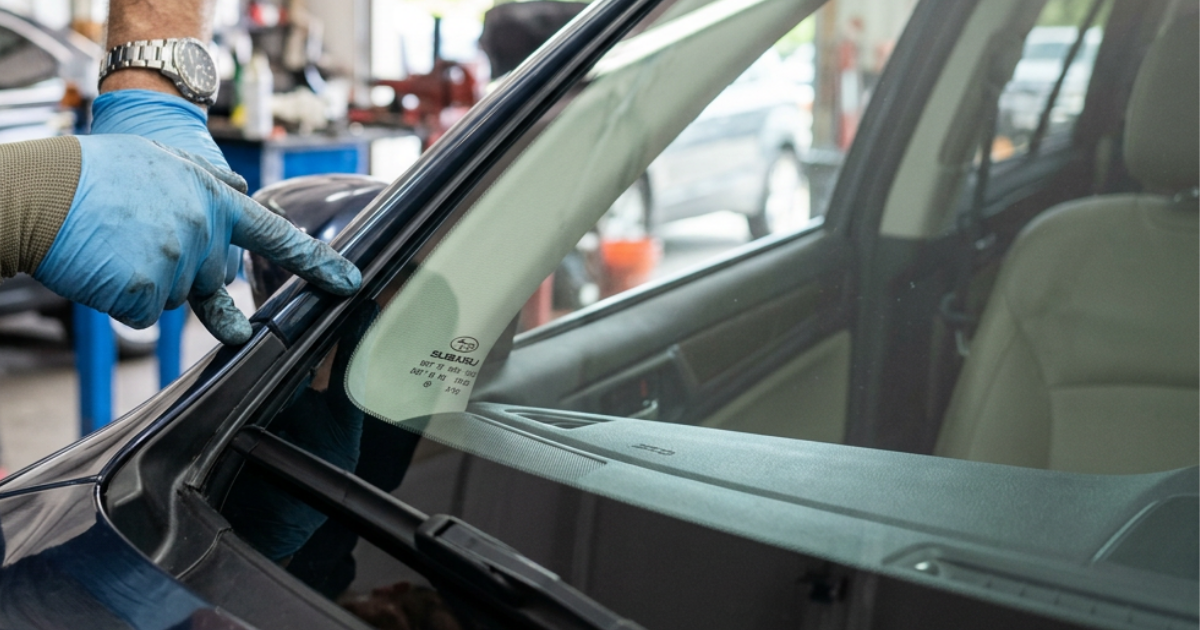

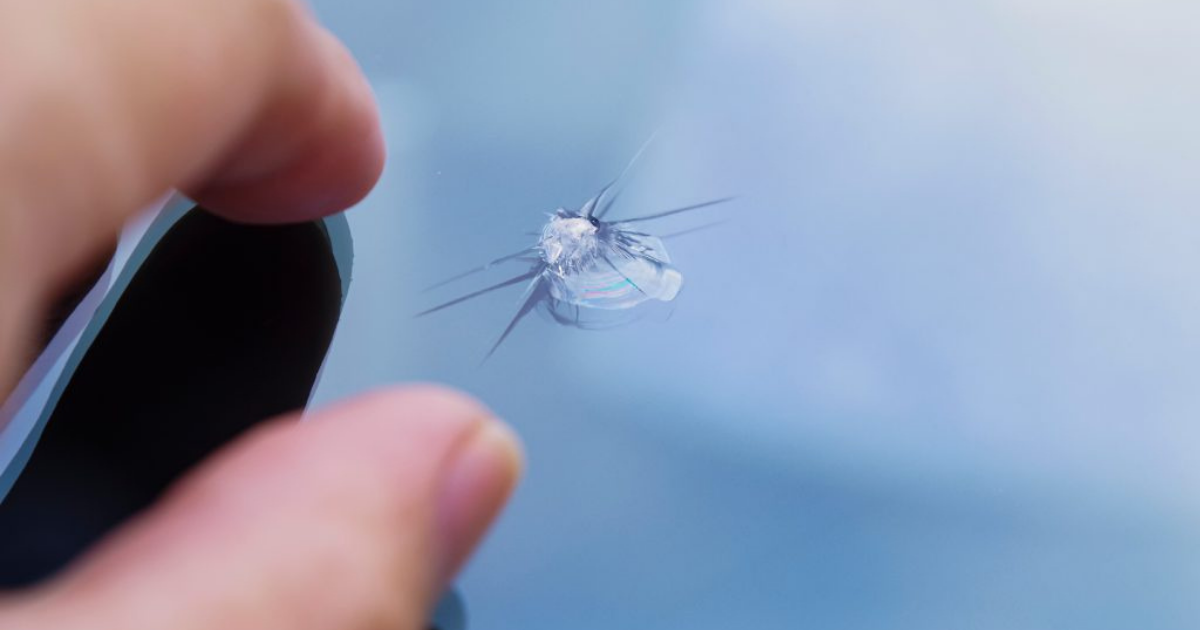
Windshield chip repair takes about 30 minutes and can save you from a full replacement. A technician injects specialized resin into the damage, cures it with UV light, and polishes the surface. The result restores strength and clarity to your glass.
That Chip Is Smaller Than You Think — But It Will Not Stay That Way
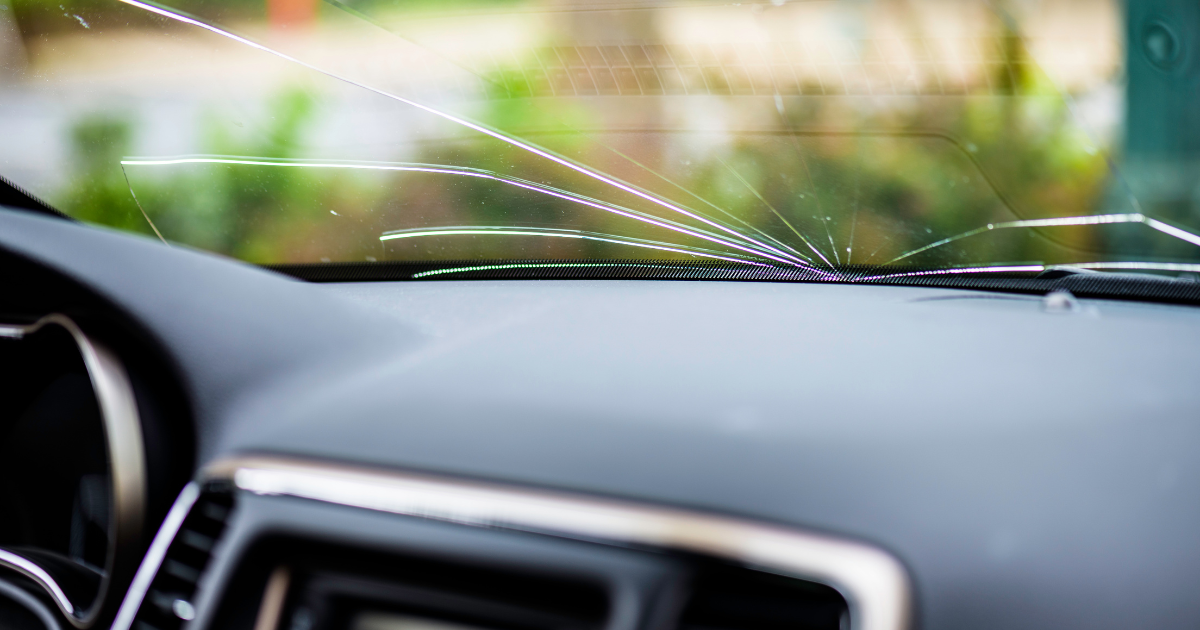
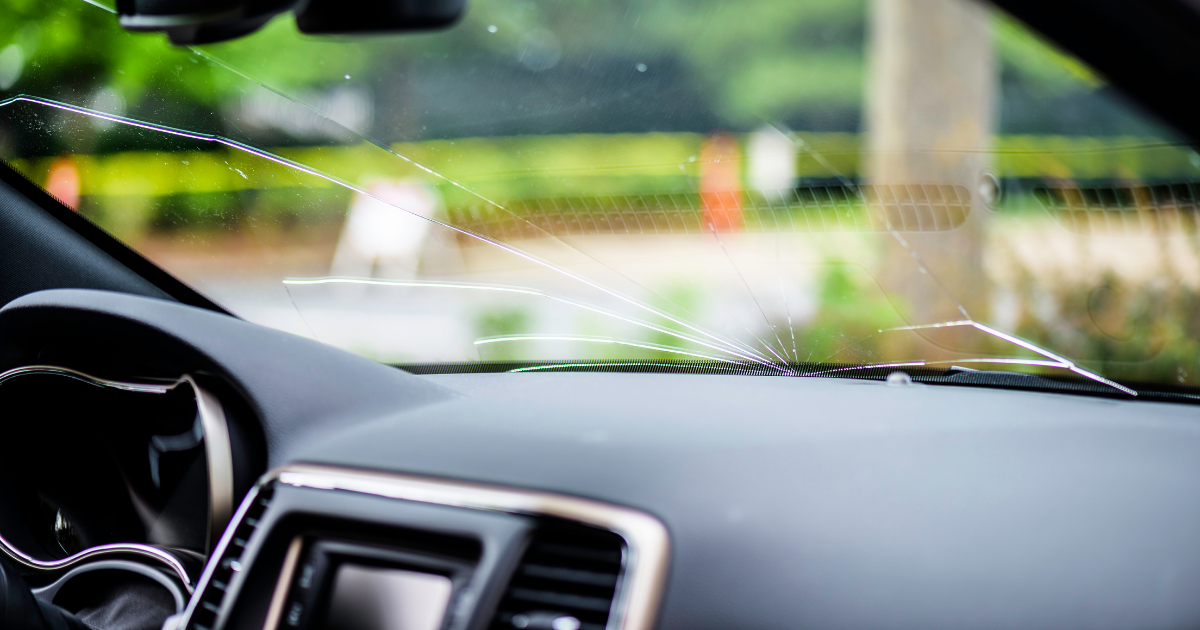
A rock chip from the highway looks minor. It is easy to ignore for a week, then a month. But that chip is a weak point in your windshield. Heat, cold, vibration, and even a car wash can turn a small chip into a crack that crosses your entire windshield.
Once that happens, repair is no longer an option. You are looking at a full replacement and a much higher cost.
Chip repair is fast, affordable, and in most cases covered by your insurance at no cost to you. Understanding exactly how it works makes it easier to act before the damage gets worse.
What Types of Chips Can Be Repaired?
Not every chip qualifies for repair. A technician will assess the damage before beginning work.
Chips that can typically be repaired include:
- Bullseye: A circular impact point with a dark center, caused by a round object hitting the glass directly.
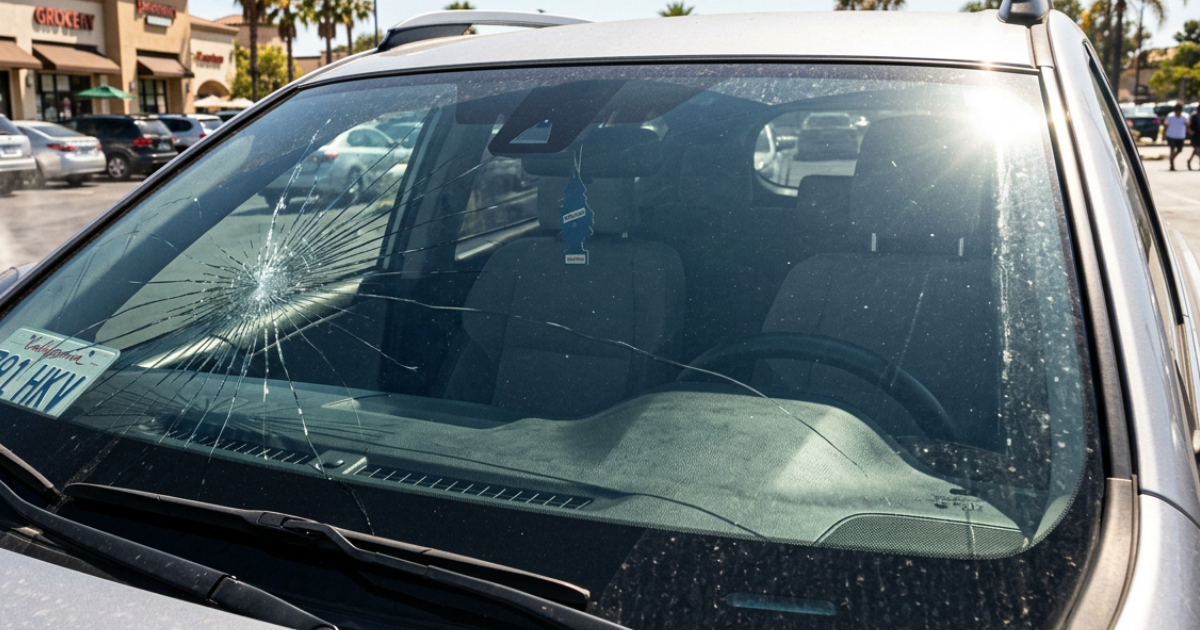
- Star break: A series of cracks radiating outward from a central impact point.
- Half-moon: Similar to a bullseye but not fully circular.
- Combination break: A mix of bullseye and star patterns from a single impact.
To qualify for repair, the damage generally must be:
- Smaller than a quarter (approximately one inch in diameter)
- Located outside the driver’s direct line of vision
- Not at the edge of the windshield
- Limited to the outer layer of glass only, without penetrating the inner laminate
If the chip does not meet these criteria, Arrow Auto Glass will recommend a full replacement. This is always the honest answer, even if it costs more.
The Windshield Chip Repair Process: Step by Step
Step 1: Damage Assessment
Your technician begins with a visual inspection. They examine the chip’s size, depth, location, and type. They check whether the damage has reached the inner laminate layer of the glass.
This step determines if repair is possible. If it is not, the technician explains why and walks you through replacement options.
Step 2: Cleaning the Damaged Area
The chip is cleaned to remove any loose glass fragments, dirt, or moisture. Contaminants inside the chip prevent the resin from bonding correctly.
Moisture is the enemy of a clean repair. If the technician cannot fully dry the impact area, repair quality will suffer.
Step 3: Resin Injection
A specialized repair bridge device is attached to the windshield directly over the chip. This device creates a vacuum seal over the damage.
The technician injects a clear, optical-grade resin through the device into the chip. The resin is designed to match the refractive index of laminated glass. This means light passes through it the same way it passes through the surrounding glass.
The vacuum system pulls air out of the chip cavity. This allows the resin to flow into every crack and void in the damage.
Step 4: UV Curing
Once the resin fills the damage, the technician exposes it to a UV light. The UV light triggers a chemical reaction that hardens the resin within the chip.
This step takes a few minutes. The cured resin bonds firmly with the surrounding glass and restores the structural strength of the windshield.
Step 5: Surface Polishing
After curing, any excess resin on the surface is removed with a razor blade. The technician then polishes the repair area to smooth the surface and restore optical clarity.
The goal is a repair that is as close to invisible as possible. In most cases, the result is a chip that is difficult to see and fully sealed against further damage.
How Long Does the Full Repair Take?
Most chip repairs are completed in 30 minutes or less. Arrow Auto Glass performs mobile chip repairs at your home or workplace, so there is no need to take time out of your day for a shop visit.
Will the Repair Be Completely Invisible?
Chip repair significantly improves the appearance of the damage. In most cases, the chip becomes very difficult to see from inside the vehicle.
However, chip repair is primarily a structural fix, not a cosmetic one. Depending on the size and type of the damage, a faint mark or blemish may still be visible under certain lighting conditions. This is normal and expected.
What matters is that the structural integrity of your windshield is restored and the damage is sealed from further spreading.
Does Insurance Cover Chip Repair?
In most cases, yes. Comprehensive auto insurance covers windshield chip repair. Many insurance companies waive the deductible entirely for repair because it costs far less than a replacement claim.
Arrow Auto Glass works directly with your insurance company. In many cases, the repair costs you nothing out of pocket.
Call 866-975-4527 or visit arrowautoglass.com to confirm your coverage before scheduling.
Do Not Let a Chip Become a Crack
A chip today is a replacement tomorrow if you leave it alone. Repair is faster, cheaper, and less disruptive than a full windshield replacement.
Arrow Auto Glass brings mobile chip repair to your home or workplace across the Northeast and Southeast. Schedule your 30-minute appointment at arrowautoglass.com or by calling 866-975-4527.
Quick Answers
Q: How long does windshield chip repair take?
A: Most repairs take 30 minutes or less. Arrow Auto Glass performs mobile repairs at your location.
Q: Will the chip be completely invisible after repair?
A: Repair significantly reduces visibility of the damage and seals it structurally. A faint mark or blemish may remain under certain lighting, but the windshield is restored to safe condition.
Q: Can all chips be repaired?
A: No. Chips larger than a quarter, chips at the windshield edge, or damage that has reached the inner glass layer typically require full replacement.
Q: Does insurance cover windshield chip repair?
A: Yes. Comprehensive coverage usually covers chip repair, and many insurers waive the deductible. Arrow assists with the claims process.
Q: What happens if I wait to repair a chip?
A: Heat, cold, and vibration can spread a chip into a full crack at any time. Once it spreads, repair is no longer possible and a full replacement is required.
Key Takeaways
- Chip repair works by injecting optical resin into the damage and curing it with UV light.
- Most repairs take 30 minutes and can be done at your home or workplace.
- Chips smaller than a quarter, outside the driver’s sightline, qualify for repair in most cases.
- Repair restores structural strength and prevents the damage from spreading.
- The result may not be completely invisible but will be significantly improved.
- Comprehensive insurance often covers chip repair with no deductible.
- Do not wait. A chip can spread to a full crack from temperature change or a car wash.