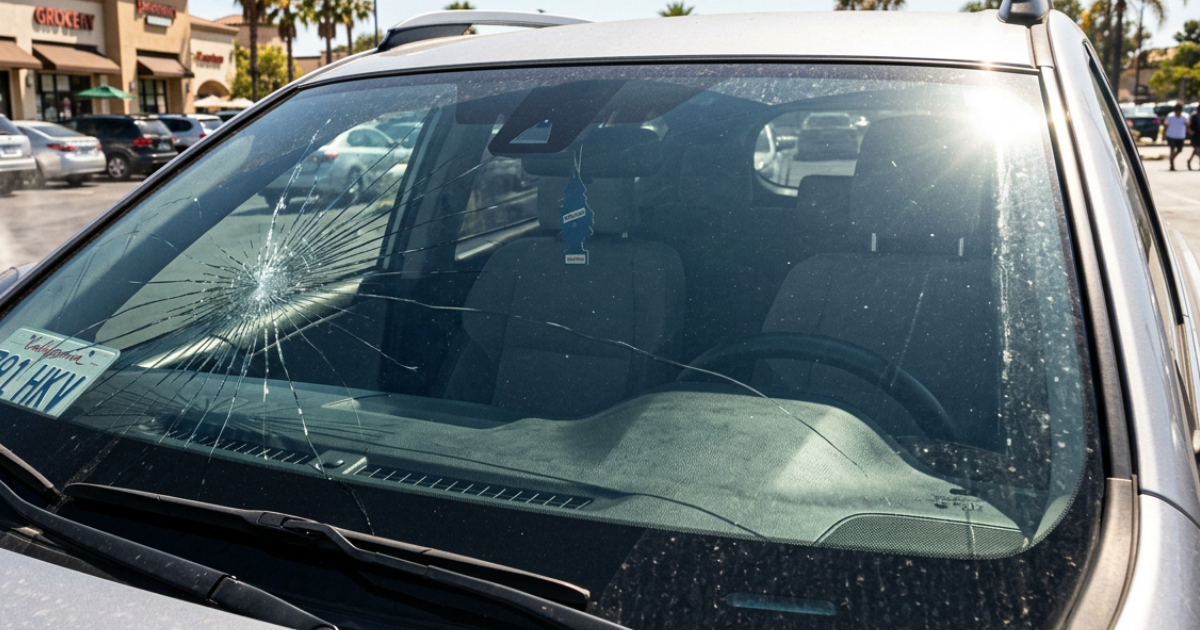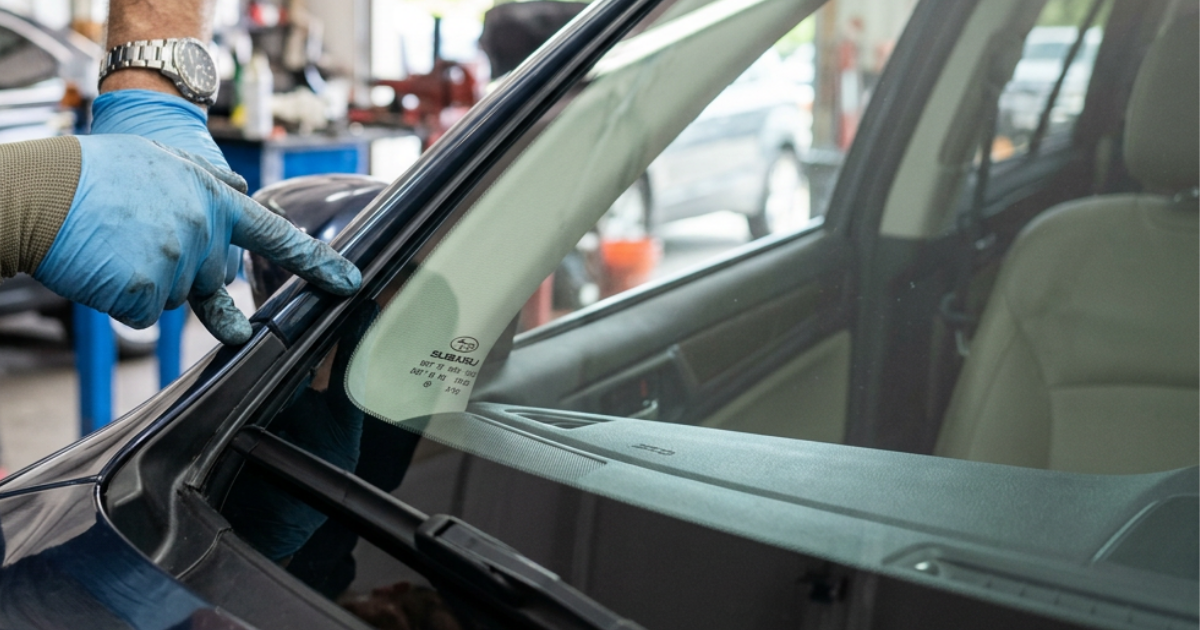

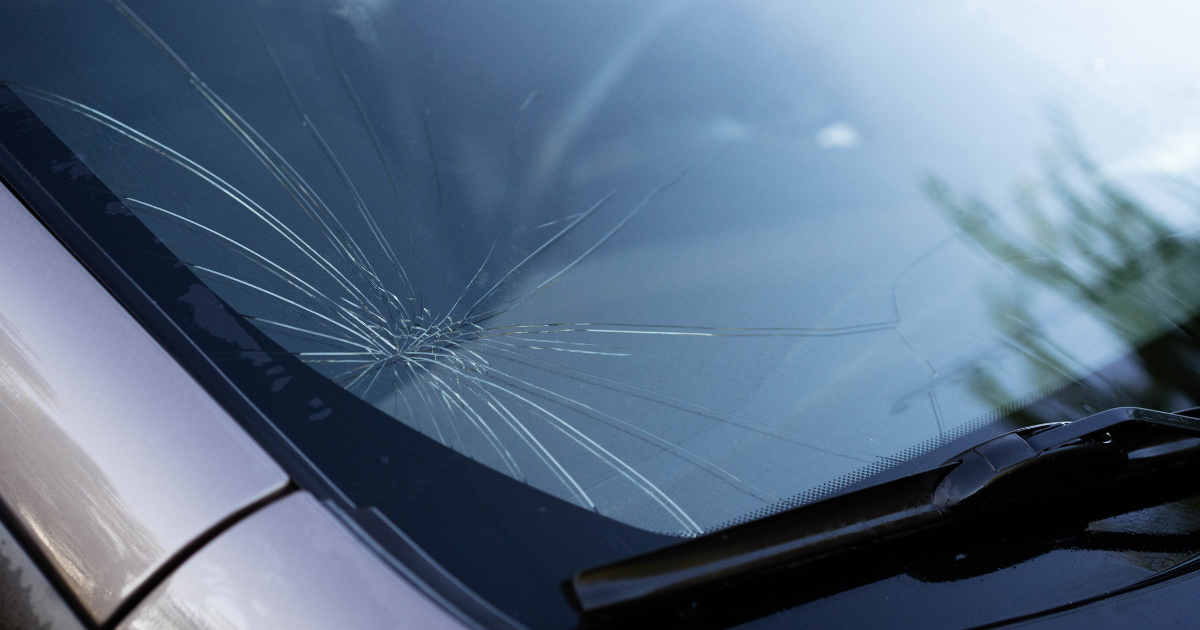
TL,DR: Some windshield damage qualifies for a quick, affordable repair. But five specific conditions mean replacement is the only safe option. Acting before the damage worsens protects both your safety and your options.
Repair Is Great. But Not Every Damage Qualifies.
When windshield damage is caught early, it can often be repaired for $75 to $150. That is the better outcome for your wallet and your time.
But some damage has moved past the point where repair is safe or effective. Knowing where that line is helps you act at the right time instead of paying more because you waited.
Here are the five clearest signs your windshield needs to be replaced, not repaired.
Sign 1: The Crack Is Longer Than Six Inches
This is the clearest threshold in auto glass assessment.
Repair works by injecting specialized resin into the damaged area. The process restores structural integrity and prevents spreading. But it has physical limits.
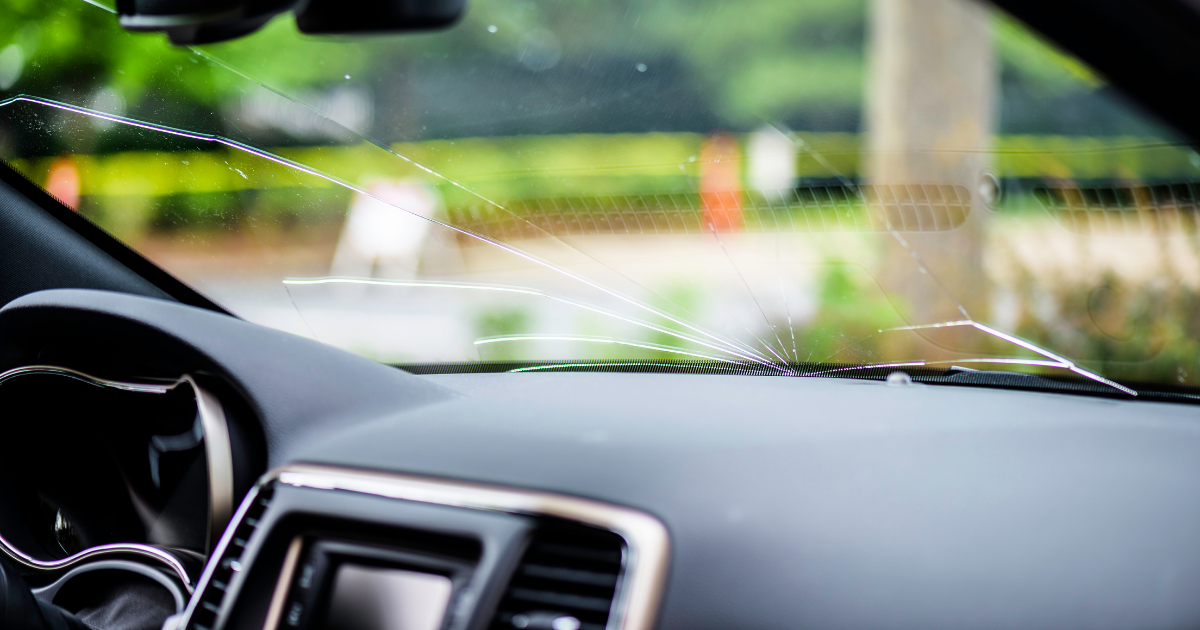
Once a crack extends past approximately six inches, it becomes difficult to fill the crack with resin and you may still see the crack while driving, especially if you are looking into the sun.
A practical test: lay a dollar bill along the crack. If the crack runs longer than the bill from end to end, you are looking at a replacement.
Sign 2: The Damage Is in the Driver’s Direct Line of Sight
Even damage that is technically small enough to qualify for repair requires replacement when it sits directly in the driver’s primary viewing zone.
A professional resin repair leaves a small optical mark. That mark is rarely noticeable in most areas of the windshield. But in the zone directly in front of the driver’s eyes, from roughly steering wheel height to eye level, any distortion can become a hazard.
Sun glare, wet conditions, and oncoming headlights at night can all cause a repaired mark in this zone to create visual interference at the wrong moment.
In some states, repairs in this zone are not permitted regardless of damage size. The Repair of Laminated Auto Glass Standard (ROLAGS) permits repairs in this zone, however, under strict size requirements limiting what can be repaired.
Sign 3: The Crack Runs to the Edge of the Windshield
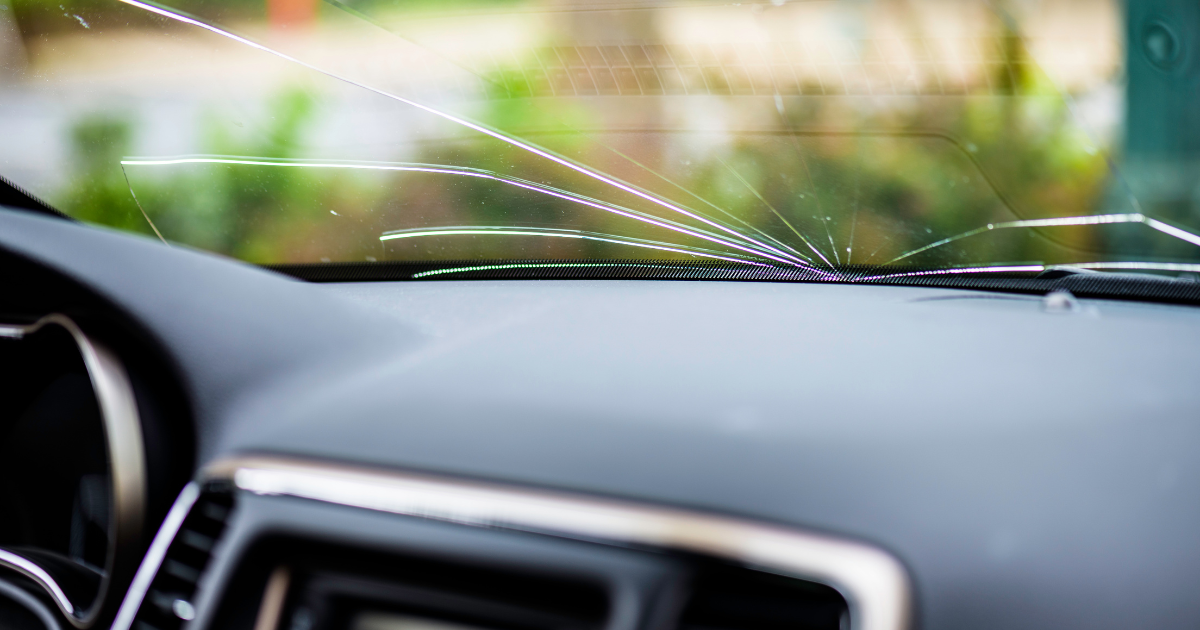
A crack that has reached the edge of the windshield requires replacement. This applies regardless of the crack’s length.
Two things happen when a crack meets the edge. First, the structural seal between the glass and the vehicle frame is compromised. The windshield is bonded to the frame around its entire perimeter. An edge crack breaks that bond.
Second, edge cracks behave differently than center cracks. The stress point at the junction of glass and frame accelerates crack growth. What is a short edge crack today can become a full-width fracture within days under normal temperature changes.
There is no repair path for edge cracks. The windshield needs to be replaced.
Sign 4: There Are Multiple Chips or Cracks Across the Glass
A single chip or crack can often be repaired. A windshield with three chips and two cracks scattered across the surface needs to be assessed differently.
Multiple damage points compound each other. Each one represents a weakened zone. The glass between them carries more stress than undamaged glass would.
Beyond the structural concern, multiple repairs leave multiple visible marks across the glass. Even if each repair is technically successful, the cumulative effect on optical clarity is meaningful.
If you have been putting off several damage points over time, a full assessment may find that replacement is the more practical and safer investment.
Sign 5: The Glass Is Pitted, Hazy, or Has Deep Surface Scratches
Windshield glass accumulates wear over years of road use. Sand, debris, dry wiper blades, and harsh cleaning products all contribute to surface degradation.
Minor surface wear is normal and rarely requires immediate action. But when pitting or hazing reaches a level that creates a visible haze or veil effect, particularly in direct sunlight or when facing oncoming headlights at night, it becomes a visibility problem.
Pitting is physical erosion of the glass surface. It cannot be filled or polished away at a meaningful scale. A heavily pitted windshield needs to be replaced for the driver to have consistently clear vision.
If you have noticed your nighttime driving clarity has declined or your windshield creates significant glare in certain conditions, the glass itself may be the reason.
Bonus: Your Windshield Makes a Whistling Sound at Speed
If your windshield whistles or lets in rushing air at highway speeds, it may be possible the seal between the glass and the frame has failed.
A failed seal does not just create noise. It means the windshield is no longer fully bonded to the vehicle frame. In a crash, that matters. Replacement with proper bonding is the correct fix.
What to Do If You Are Not Sure
If you are looking at damage and unsure whether you are dealing with a repair or a replacement situation, call Arrow.
Arrow will ask about the size, location, and age of the damage. Or you can send a photo. Arrow will give you an honest answer with no pressure and no obligation.
If repair is the right option, Arrow will tell you. Replacement is only recommended when the damage genuinely requires it.
Call 866-975-4527 or visit arrowautoglass.com.
Quick Answers
How long can I drive with a cracked windshield before replacing it? It depends on the damage. A small chip away from the driver’s line of sight may allow a few days to schedule. A long crack, edge crack, or damage in the driver’s line of sight should be addressed without delay.
Can a crack greater than 6 inches be repaired? In theory yes, however Arrow has chosen not to perform them due to difficulty and in many cases while the crack is sealed you can still see the crack. Full replacement is the smartest option.
Is a windshield with multiple chips worth repairing or should I replace it? It depends on the number, location, and size of the damage points. Arrow will assess the windshield as a whole and give you an honest recommendation.
Does windshield pitting require replacement? Minor pitting does not always require immediate replacement. Severe pitting that creates visible hazing or glare affecting driver visibility typically does.
How much does windshield replacement cost? For most standard vehicles, $200 to $400 out of pocket. ADAS-equipped vehicles run higher. If you have comprehensive auto insurance, it may be fully covered. Call Arrow at 866-975-4527 for a quote.
Get an Honest Assessment Today
Call 866-975-4527 or visit arrowautoglass.com. Arrow comes to your home or office with certified technicians and a lifetime warranty on every job.
Key Takeaways
- Cracks longer than six inches require replacement
- Damage in the driver’s direct line of sight requires replacement even if the crack is small
- Edge cracks always require replacement; no repair option exists for them
- Multiple damage points should be assessed together, not individually
- Heavy pitting or hazing that affects visibility requires replacement, not repair
- Waiting often eliminates the repair option and increases the total cost
- Arrow recommends repair when it is genuinely the right answer